
There is something deeply humbling about gazing into the night sky. For centuries, humans have looked upward in wonder, charting the stars, telling stories through constellations, and slowly uncovering the science behind the cosmos. Today, thanks to advancements in technology, amateur astronomers can capture breathtaking details of distant galaxies, glowing nebulae, and clusters of stars—all from their own backyards.
The images featured here are not from a space telescope orbiting Earth, but rather from an amateur astronomer’s careful nights of observation. With modern tools like the Seestar S50 smart telescope, the universe is within reach for hobbyists willing to invest a little time and patience.
A Sky Full of Wonders
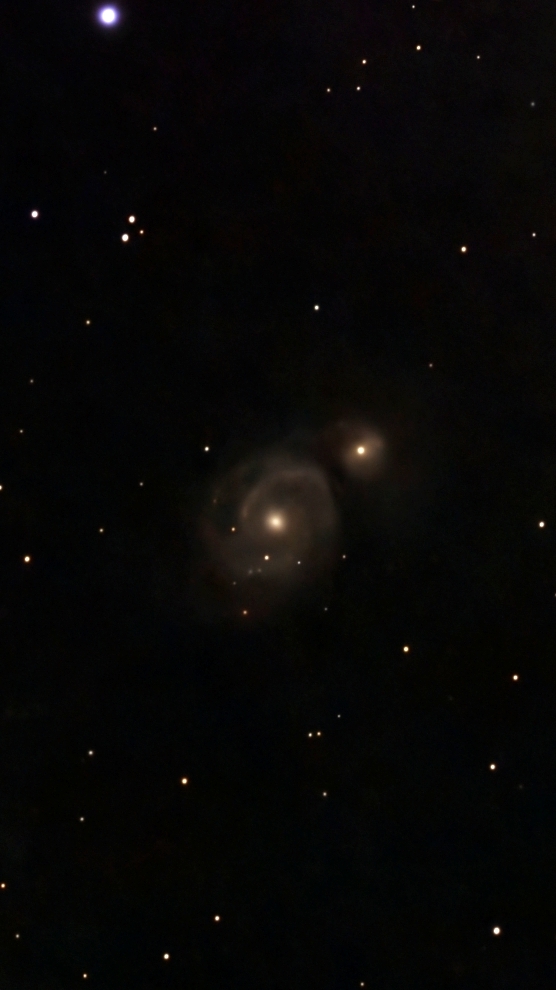
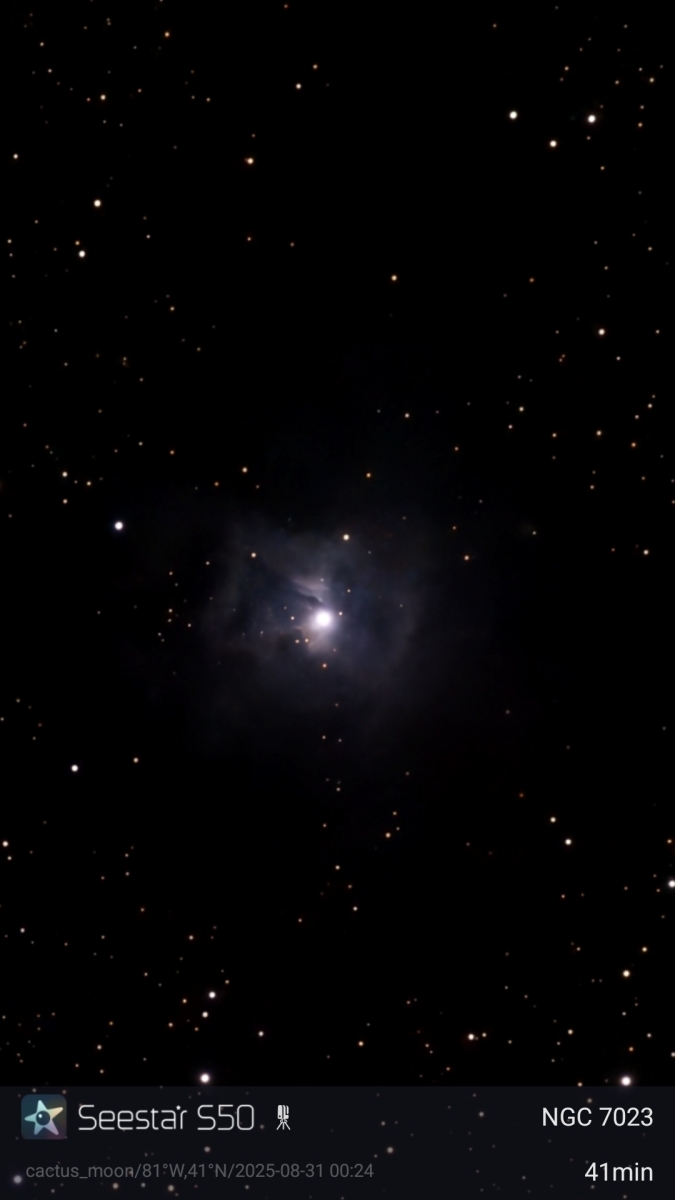
Each image tells a story of cosmic creation and destruction.
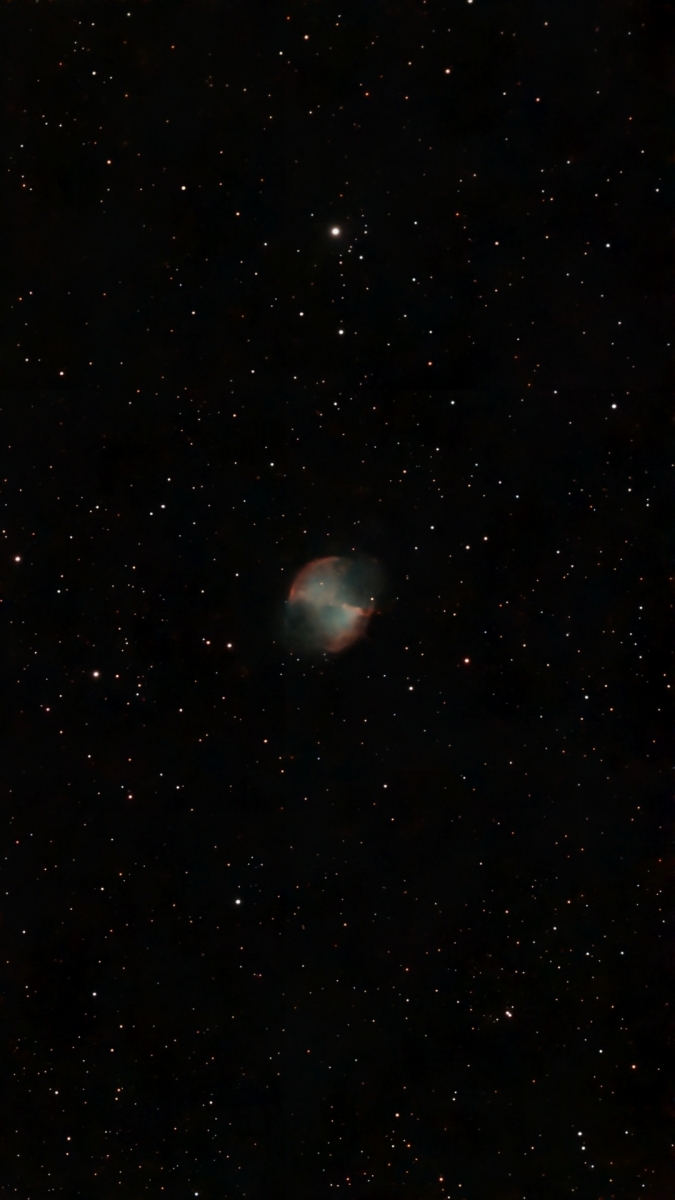
- The Dumbbell Nebula (M27), for example, is the glowing remnant of a dying star. Its soft, luminous clouds of gas expand into space, offering a glimpse into the eventual fate of our own Sun.
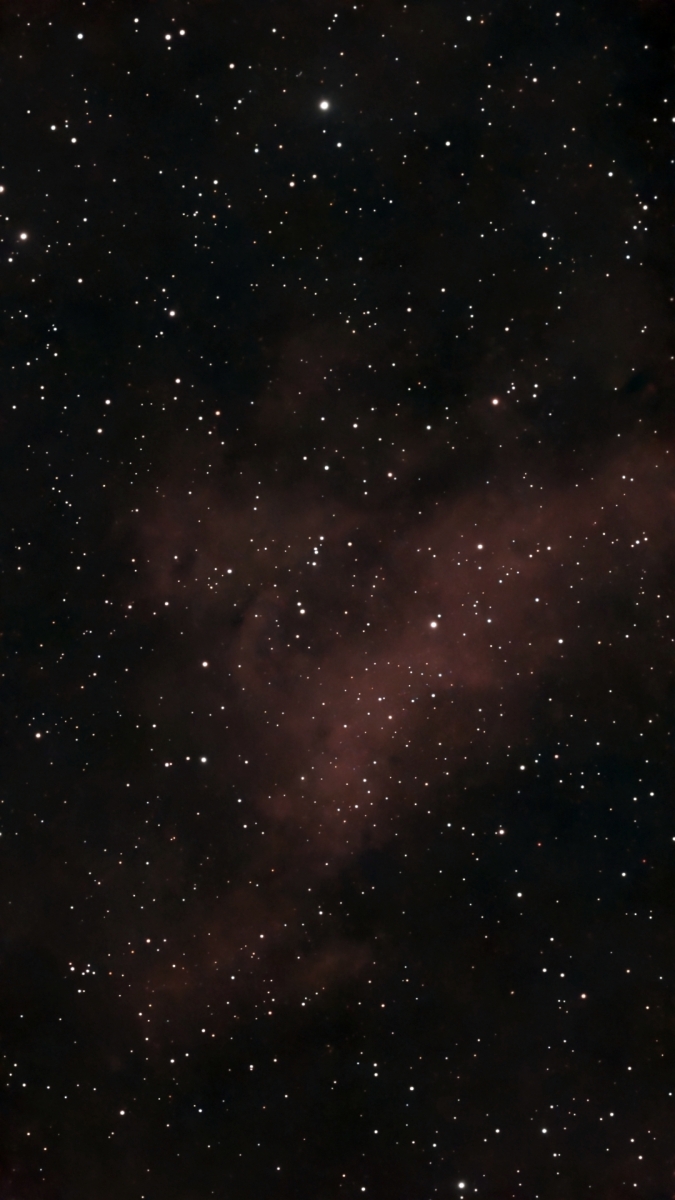
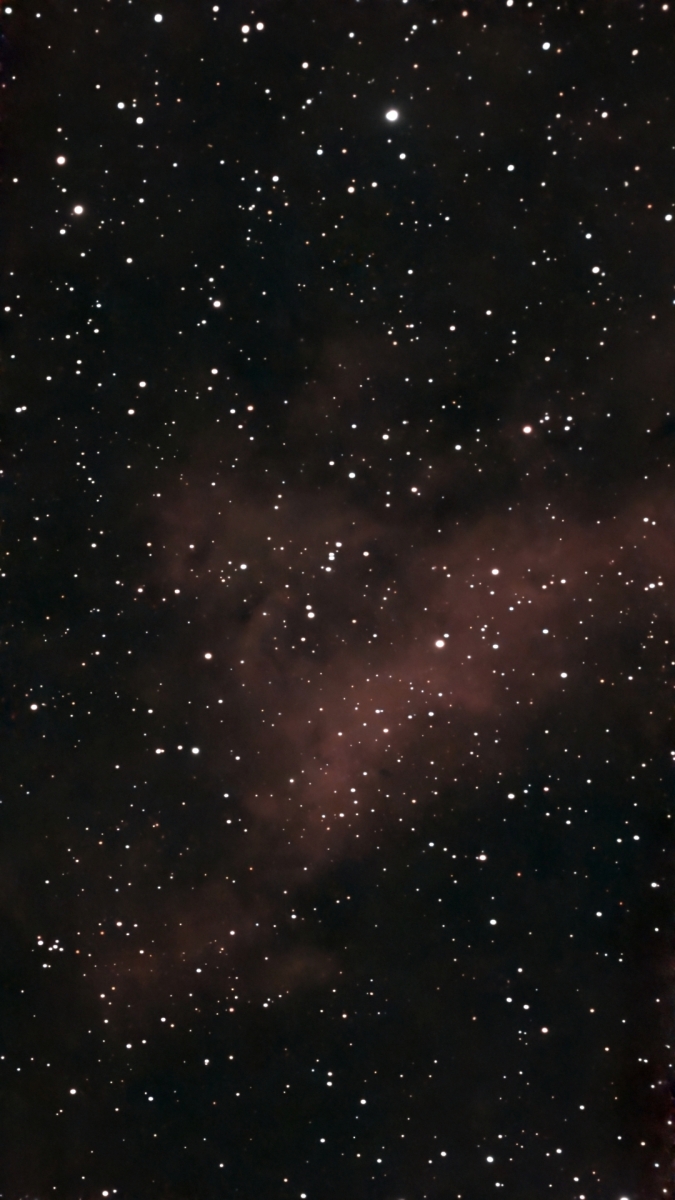
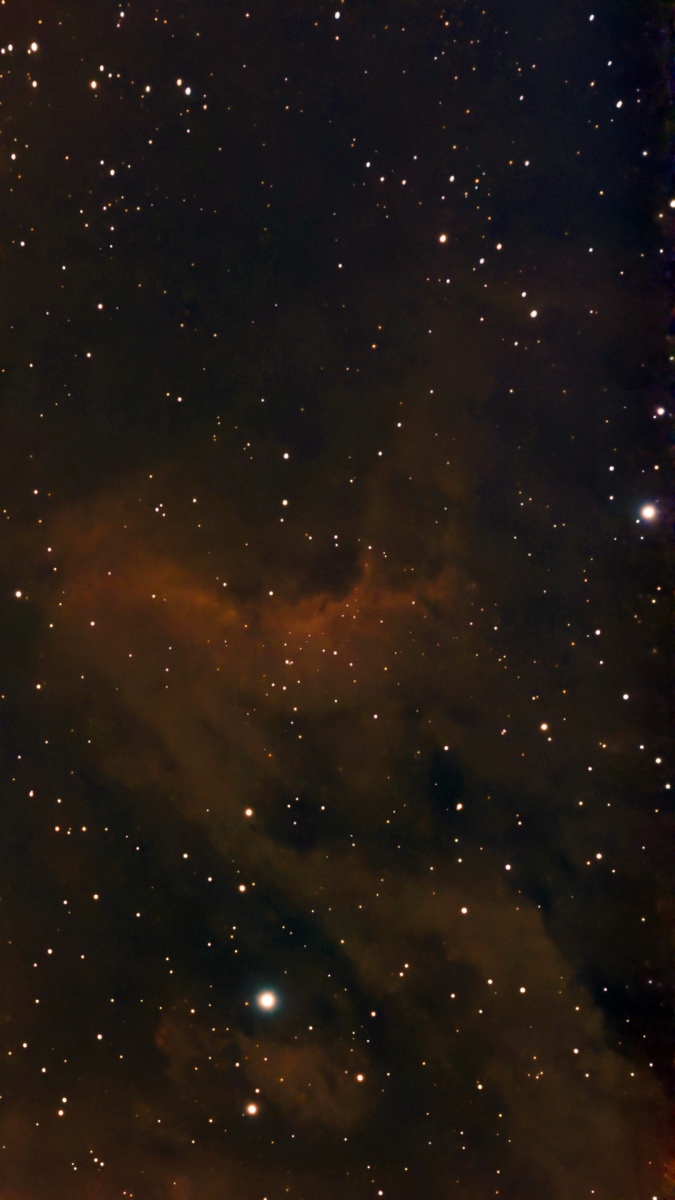
- Dusty star fields, like those captured in Cygnus, reveal subtle clouds of interstellar material where new stars are being born.
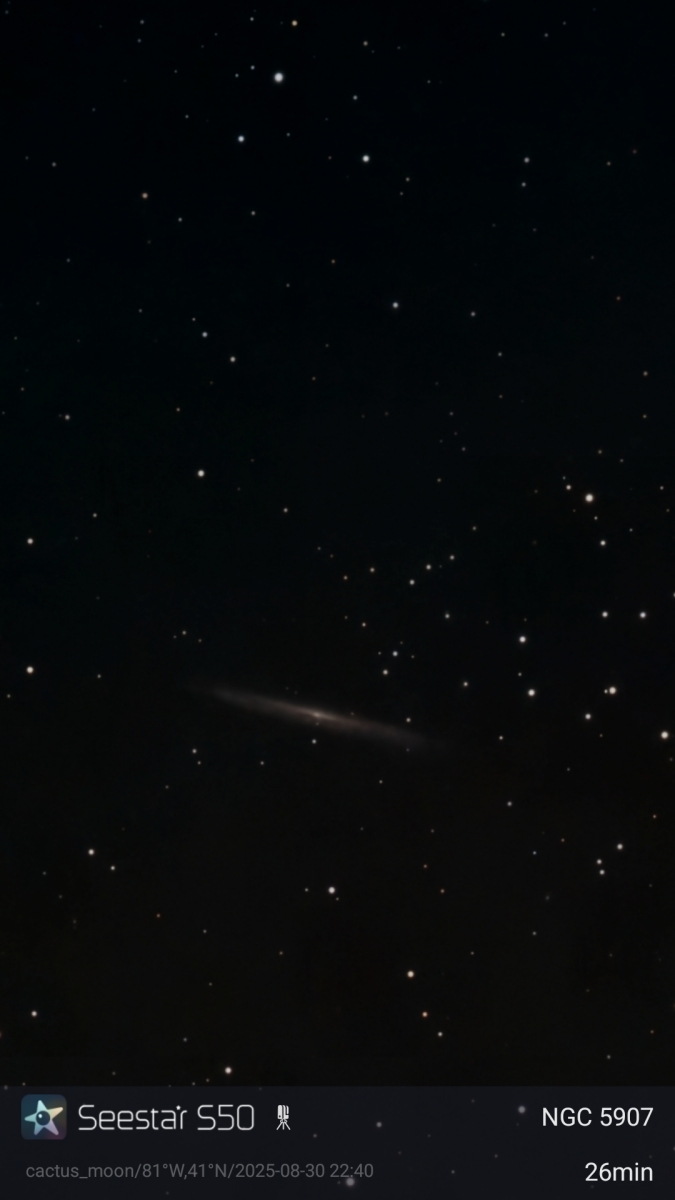
- The Whale Galaxy (NGC 5907), seen edge-on, shows us the delicate disk of another galaxy, reminding us that our Milky Way is just one of billions.
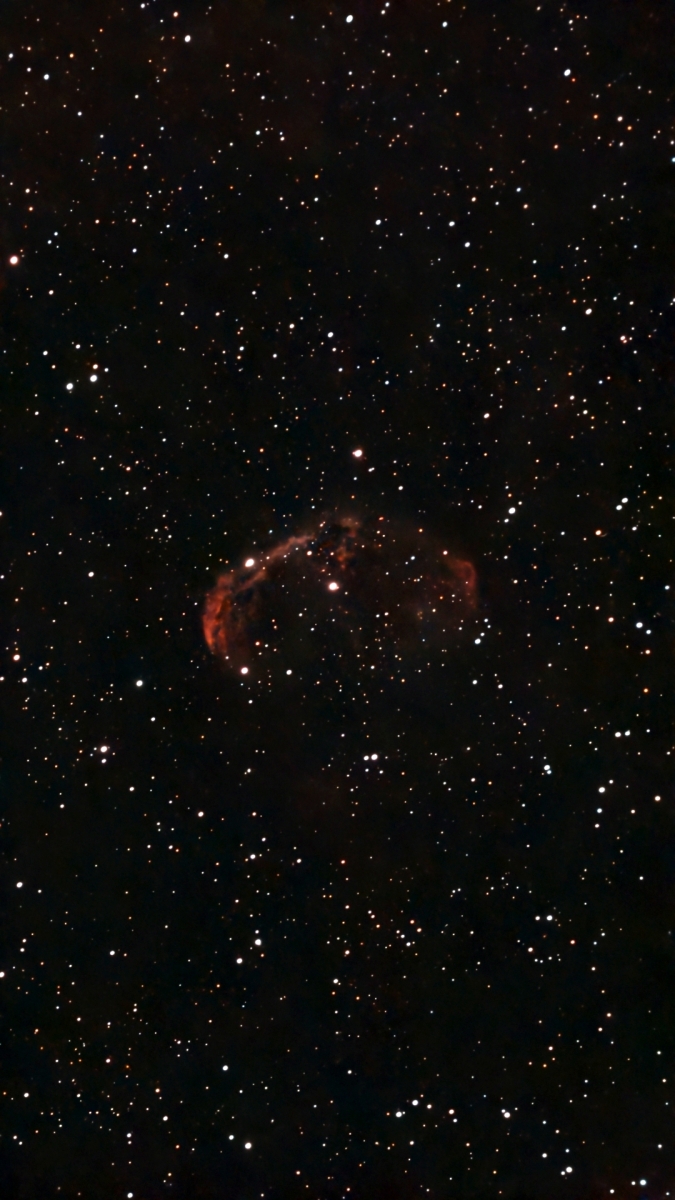
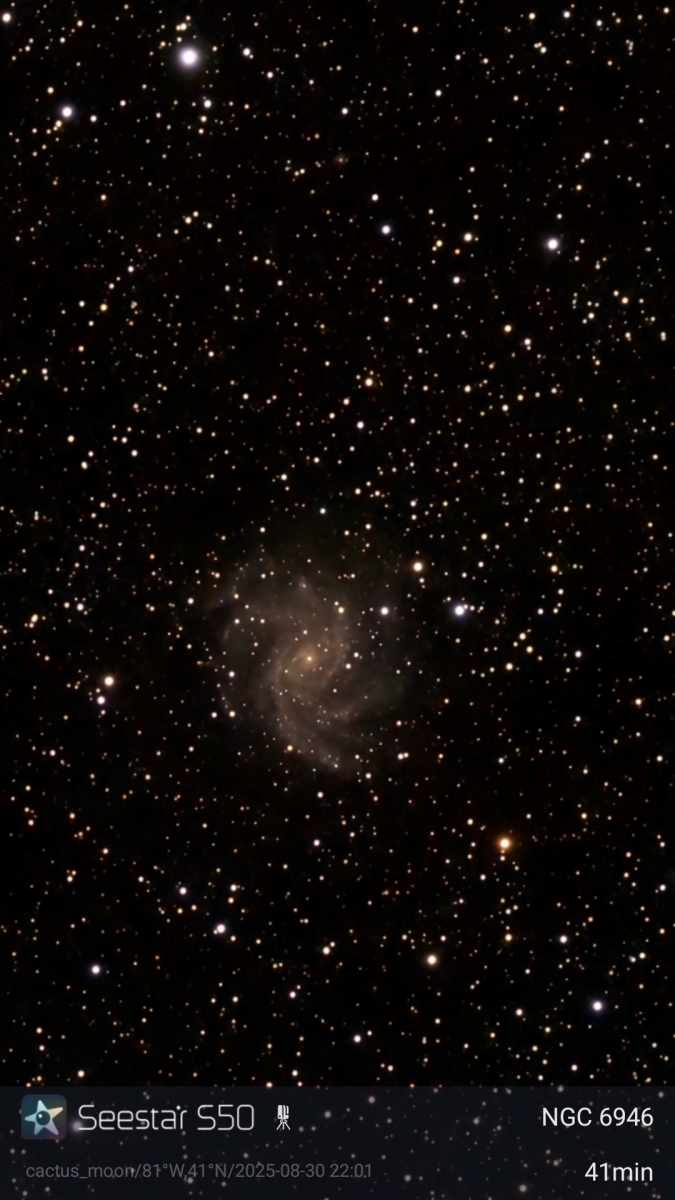
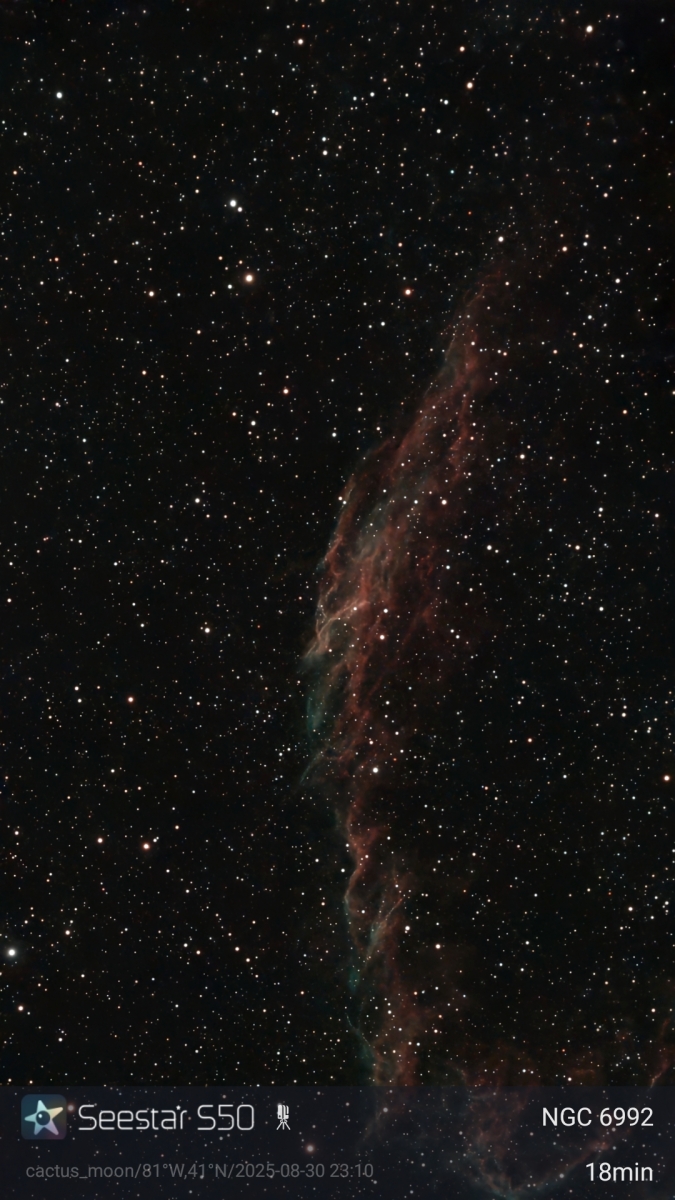
- Spirals like NGC 6946, the Fireworks Galaxy, light up the sky with bursts of stellar activity, while the delicate filaments of the Veil Nebula (NGC 6992) trace the remains of a long-ago supernova explosion.
Each target is unique, and part of the joy of amateur astronomy is learning the story behind the glowing shapes your telescope captures.
The Tools of Modern Stargazing
Not long ago, astrophotography required complex mounts, hours of careful guiding, and extensive post-processing. Today, telescopes like the Seestar S50 bring deep-sky imaging within reach of beginners. These compact, app-controlled telescopes can automatically track, stack exposures, and even annotate your images with celestial coordinates.
The results speak for themselves. Nebulae glow with reds and blues, galaxies reveal their delicate arms, and star fields burst to life—all captured without the need for a professional observatory.
Why Amateur Astronomy Matters
Beyond the beauty of the images, there is something grounding about connecting with the cosmos. Looking at light that has traveled thousands—or even millions—of years to reach us puts our daily concerns into perspective. Amateur astronomers contribute, too: their observations help track variable stars, discover comets, and even alert professionals to supernovae.
But above all, astronomy is about wonder. It’s about standing under the night sky and feeling both small and infinite at the same time. It’s about sharing that wonder with others through images, stories, and community.
Start Your Own Journey
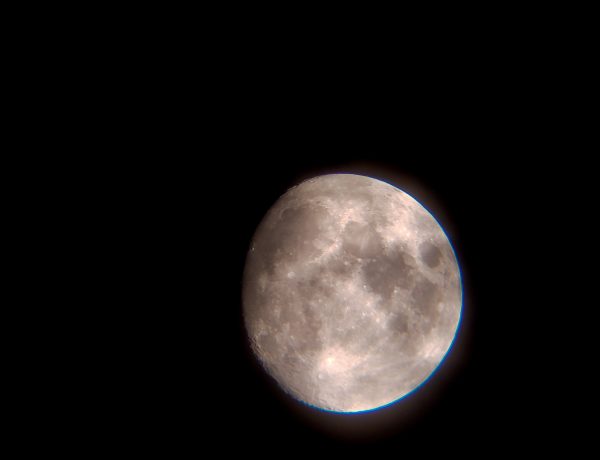
If these images inspire you, consider starting your own stargazing adventure. You don’t need advanced gear to begin—just step outside on a clear night and look up. Learn the constellations, track the phases of the Moon, or try spotting the planets with a pair of binoculars. From there, the sky is the limit.
With tools like smart telescopes, the universe is more accessible than ever. Who knows? The next breathtaking image of a galaxy, nebula, or star cluster might come from your own backyard.



No Comments